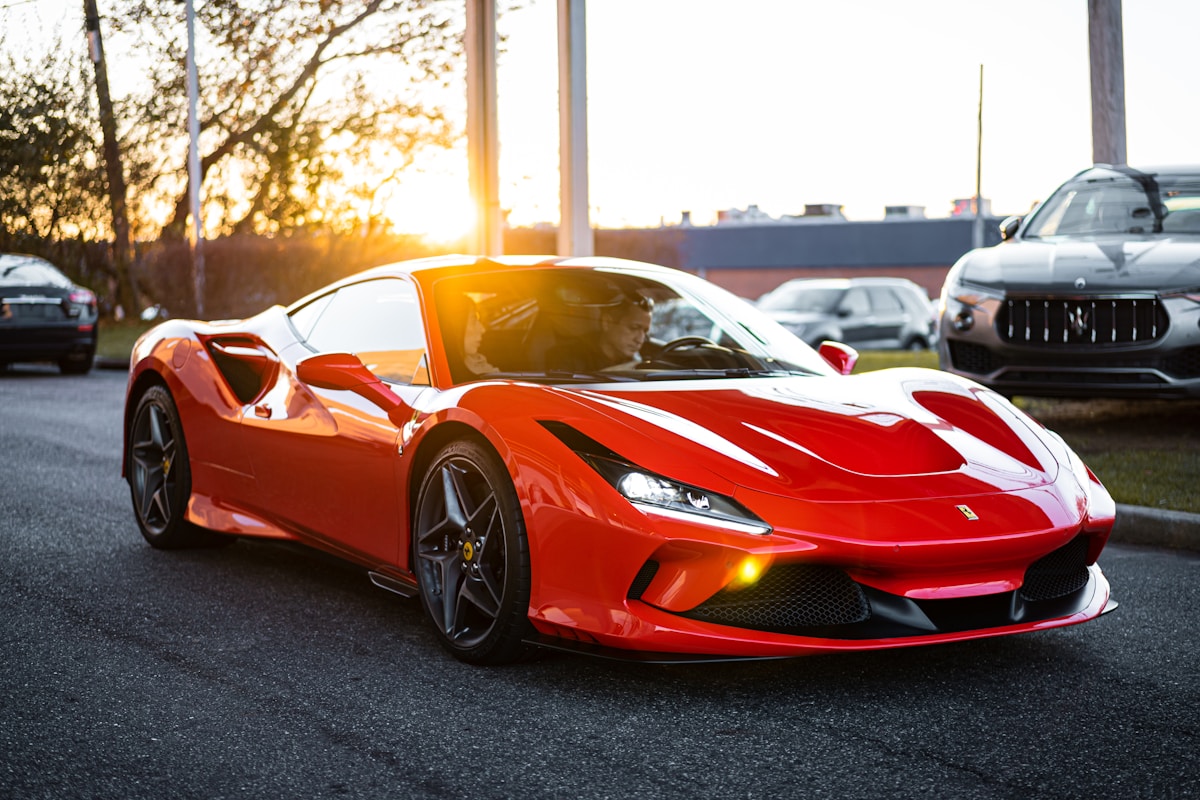
Ferrari has officially entered the electric era. On May 25, 2026, the Maranello-based automaker unveiled the Ferrari Luce — its first-ever fully electric vehicle — and the automotive world hasn't stopped talking since. With searches for "Ferrari Luce" surging past 50,000 in the first 24 hours, this is arguably the most anticipated EV debut since the original Tesla Roadster.
But not everyone is celebrating. Ferrari shares fell sharply after the reveal, and social media reactions range from awe to outrage. Let's break down everything we know about this groundbreaking — and controversial — machine.
What Is the Ferrari Luce?
The Luce (Italian for "light") is Ferrari's answer to a question many thought the brand would never entertain: Can a prancing horse run on electrons instead of gasoline? Ferrari says yes, and they've spent over four years developing proprietary electric powertrain technology to prove it.
Key specifications revealed so far include:
- Powertrain: Dual-motor all-wheel drive with Ferrari-designed silicon carbide inverters
- Estimated horsepower: Over 1,000 HP combined
- 0-60 mph: Under 2.5 seconds (Ferrari claims it will be the fastest-accelerating road car they've ever made)
- Battery: Custom 100+ kWh pack developed with a proprietary cell chemistry
- Range: Approximately 300 miles (WLTP cycle)
- Charging: 800V architecture with DC fast charging support
- Price: Expected to start around $500,000, making it one of the most expensive production EVs ever
Design: Familiar Yet Futuristic
The Luce retains Ferrari's signature mid-engine proportions despite having no engine. The design team, led by Flavio Manzoni, created a silhouette that evokes the SF90 Stradale while introducing dramatic new elements — flowing LED light bars, an enclosed front fascia, and active aerodynamic elements that adjust at speed.
The interior represents a major departure. A minimalist cockpit features a single curved display spanning the dashboard, haptic controls on the steering wheel, and sustainable materials including recycled ocean plastics and plant-based leather alternatives. Ferrari says the cabin was designed to feel like "a cockpit from the future, not a tech showroom."
Why Investors Are Nervous
Despite the engineering prowess on display, Ferrari's stock dropped notably after the unveiling. Analysts point to several concerns:
- The price-to-range ratio: At $500K for 300 miles of range, it underperforms cheaper EVs on a pure specification basis
- Brand dilution fears: Purists worry that going electric undermines Ferrari's identity, built on the visceral experience of combustion engines
- Production timeline uncertainty: Ferrari hasn't committed to exact delivery dates, leading to speculation about development challenges
- Competition: Rimac, Porsche, and even Lamborghini already have electric or hybrid hypercars in production
However, UBS analyst Patrick Hummel noted that "Ferrari's brand premium has always defied conventional automotive economics. The Luce will likely sell every unit allocated regardless of specifications."
The Sound Question
Perhaps the most discussed aspect is sound. Ferrari's V8s and V12s are legendary — the F40's turbo scream, the LaFerrari's hybrid howl. Ferrari CEO Benedetto Vigna confirmed that the Luce will feature a "unique acoustic experience" but stopped short of calling it artificial engine noise.
"We are not simulating a V12," Vigna said during the presentation. "We are creating something new. The Luce has its own voice." Early reports suggest the car produces a distinctive high-frequency whine that intensifies with speed — more like a Formula E car than a traditional Ferrari.
What This Means for the EV Market
Ferrari's entry into the EV space sends a powerful signal. If the most iconic combustion-engine brand on Earth is going electric, the transition is truly irreversible. Here's what industry watchers are saying:
- Luxury validation: The Luce proves EVs can be positioned as ultra-premium, aspirational products — not just practical transportation
- Technology push: Ferrari's proprietary approach (rather than using off-the-shelf components) could drive innovation in battery chemistry and motor design
- Cultural shift: For younger buyers who grew up with electric cars, a Ferrari EV may actually be more appealing than a combustion model
When Can You Buy One?
Ferrari has indicated deliveries will begin in late 2026 or early 2027, with initial production limited. If the SF90's rollout is any guide, expect allocation-only sales through existing Ferrari dealers, with preference given to existing owners.
For the rest of us, the Luce represents something bigger than a car — it's a statement that even the most tradition-bound institutions are embracing the electric future. Whether that future includes a prancing horse on an EV remains to be seen, but Ferrari is betting half a million dollars per car that it does.
The Bottom Line
The Ferrari Luce is polarizing by design. It challenges what it means to be a Ferrari while pushing electric vehicle technology into rarefied air. Whether you see it as sacrilege or evolution, one thing is certain: the Luce has ignited a conversation that won't fade anytime soon.
We'll update this article as Ferrari releases more specifications and pricing details. Bookmark this page and check back for the latest.
Sources & Accuracy Note
Technology specs, prices, warranties, software support windows, AI capabilities, and cybersecurity recommendations change frequently. Verify current product details with the manufacturer and use official security guidance when acting on technical recommendations.

💬 Comments (0)
No comments yet. Be the first to share your thoughts!